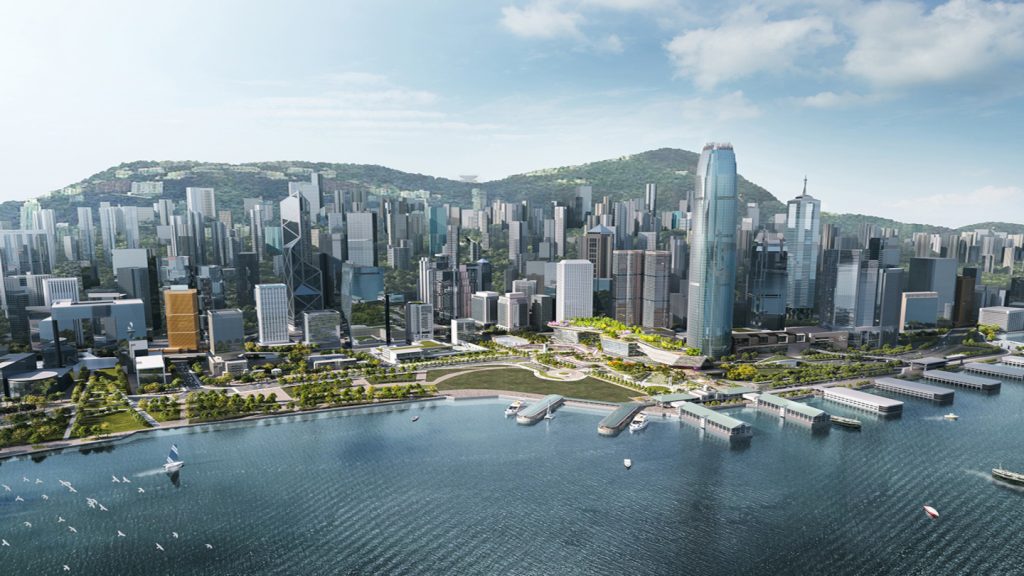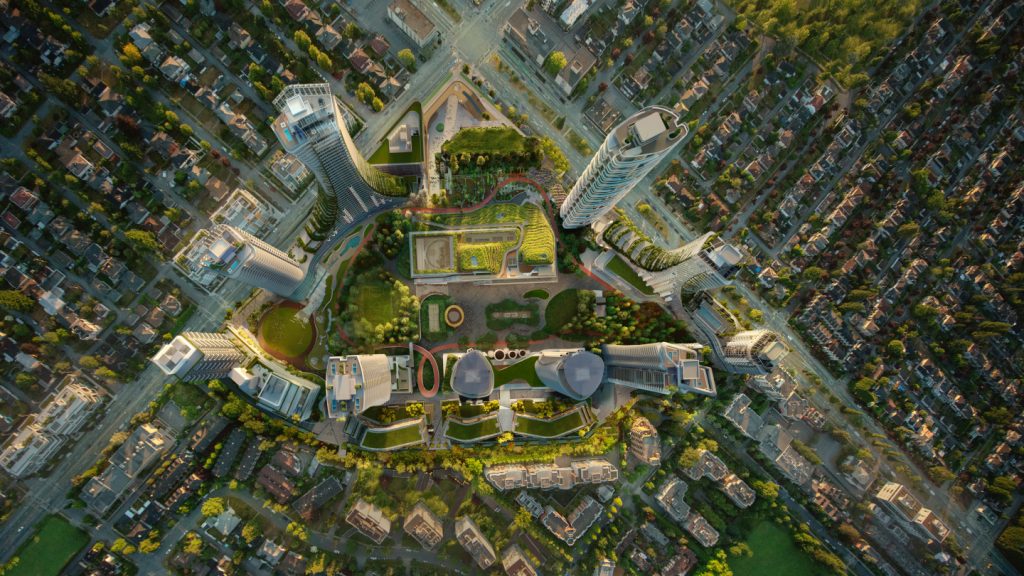
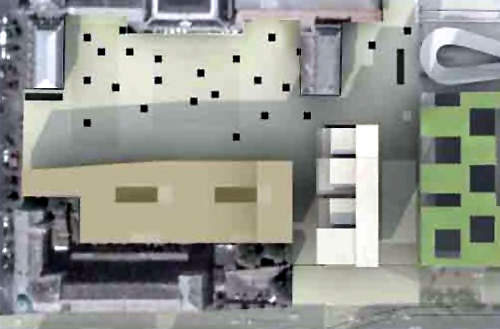
The construction of a new government quarter grouping together 33 of the state’s 34 ministries, which were previously scattered round Budapest’s city centre, is a massive project with a maximum budget of $775m (€567m).
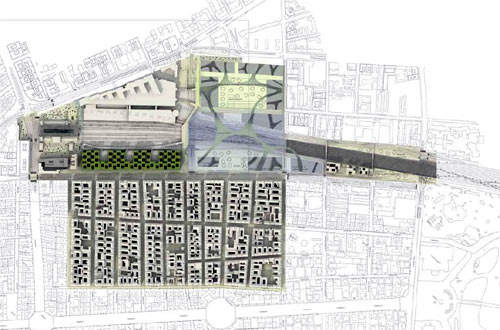
The project was awarded to Peter Janesch, from Hungary, and Japanese architect Kengo Kuma, on 2 August this year, and starts early 2008, with a tentative completion date set for May 2009. The 29ha development, which is about the size of 72 football pitches, consists of new parks and leisure areas. The ministries will be housed in one government building, 75m wide, 400m long and seven-stories high, accommodating 5,500 ministers and officials. Floor space totals 200,000m².
Recommended White Papers
Recommended Buyers Guides

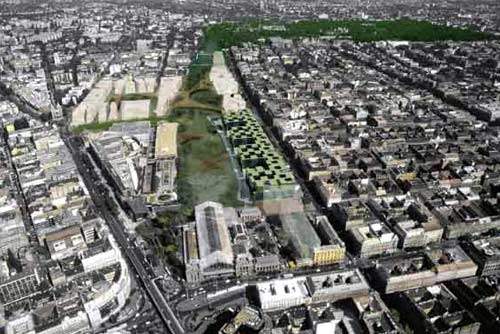
There are also separate conference facilities, and a large park development called the ‘Green Link’ which is created by laying the broad railway area in front of the imposing Nyugati Railway station, which was built in 1887 by the Eiffel company, of Eiffel Tower fame. The station will be moved underground to make space for this green area.
The government building, dubbed a ‘Hungarian Whitehall’, is situated in an area behind the station in Budapest’s 13th and 6th districts. This steel, crystalline structure will be preserved, because of its historical significance and reinvented as a cultural landmark, with a public programme. Exactly how it will relate to the ministry building is still being debated. The specifics for the government building and a further second phase, are also still being decided. The prime minister’s office will be housed separately at the former Agriculture Ministry opposite the parliament.
THE GREEN LINK
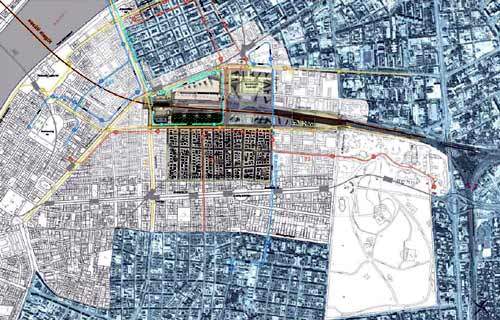
The Green Link leisure space connects Heroes Park, a central park in the city, to the Donau River, an important symbol of the city, and the zoo. It connects two parts of the region that are currently separated by the rail yard, which could lead to the further development of this area.
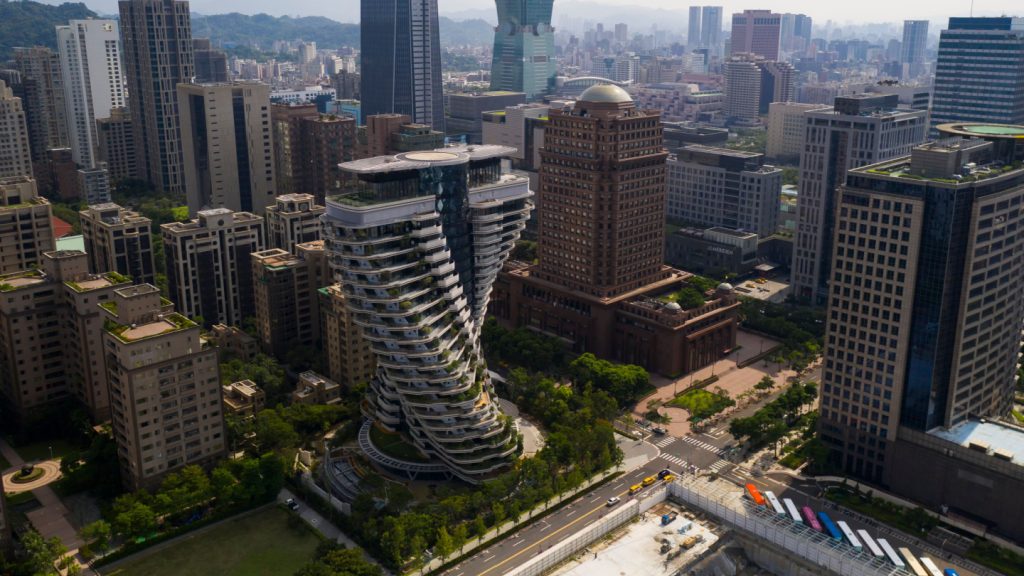
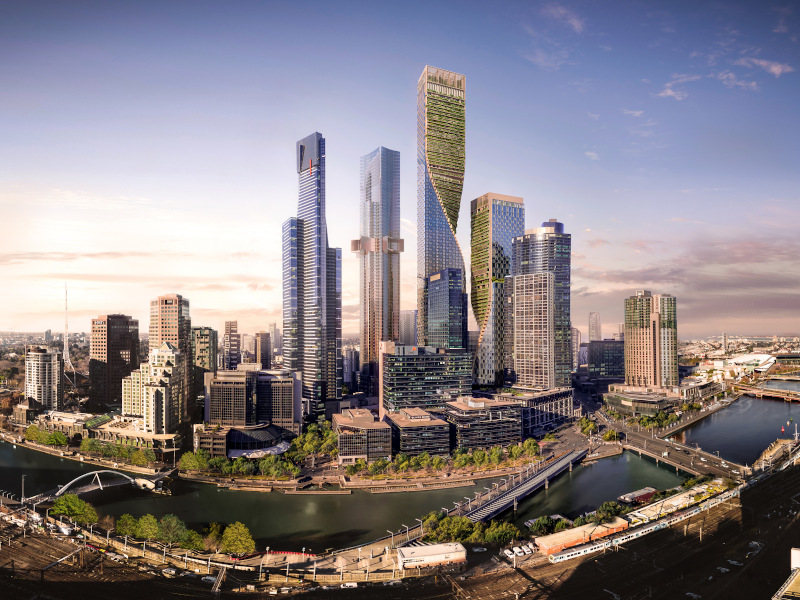
The second phase of the project will provide commercial and office space, and there will be an additional 40ha around the building. The programme also comprises a new central government street and a commercial complex, both of which will feature distinctive ‘green’ architecture on the roofs and walls, consisting of deciduous and evergreen creepers grown by a hydrocultural method.
Tokyo-based Kengo Kuma & Associates are covering approx 304,000m², not including the large public park. The design has been awarded 20 million forints ($110,000, €80,000) by KVI, the Hungarian government office responsible for the project, and will be developed in a Public Private Partnership (PPP), with an undisclosed partner, and financed by the sale of government buildings. Contractors will be decided once the private side of the partnership has been sorted out.
NEW GOVERNMENT BUILDING DESIGN
The design was selected by a jury including Daniel Libeskind, who won the first competition to rebuild the World Trade Center site, Berlin-based Hans Stimmann and Barcelona architect Josep A Acebillo Marin, and was commended for its environmental awareness, and efforts towards sustainability.
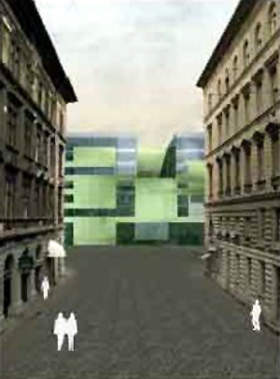
The buildings have a transparent façade made of high-performance glass systems. Adam Sylvester, from the evaluation committee, called the building’s transparency ‘an architectural representation of democracy’. The ‘green façade’ foliage acts as a natural temperature regulator and helps to insulate the building during the winter.
The project has undergone some criticism for being too expensive at a time of economic cuts when the government has increased taxes in order to lower its budget deficit from 9.2% of Gross Domestic Product (GDP) in 2006, to 3.2% in 2009. However, it could also boost the economy, with hotels being built in the area to house visitors, and a boom predicted in the price of local property.
It is also hoped that putting all the ministries together under one roof will reduce maintenance costs. The building is still awaiting a series of permits before construction can begin.